Feeling drained, unmotivated, or constantly behind at work? You’re not alone — burnout is more common than ever. And when it hits your team, it doesn’t just hurt morale — it kills productivity.
In this post, we’ll break down what employee burnout actually is, what causes it, how to spot the signs early, and most importantly, how to fix it before it spreads. Let’s dive in!
What Is Employee Burnout?
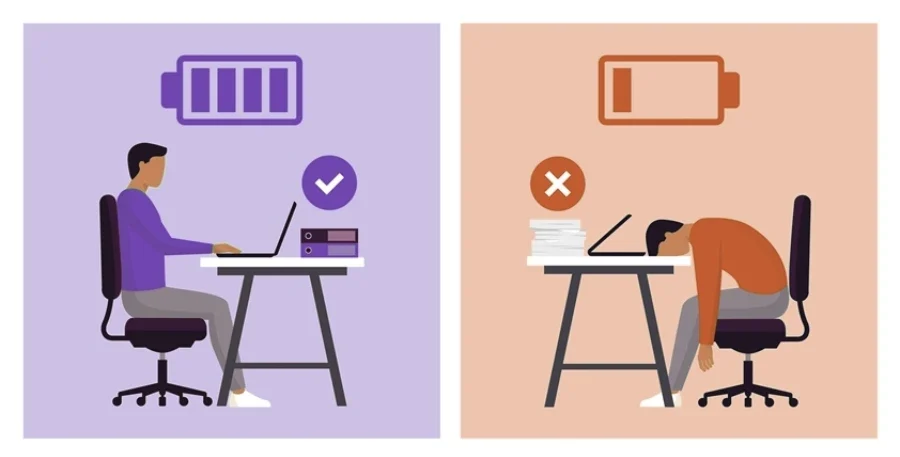
Employee burnout is a state of emotional, physical, and mental exhaustion caused by prolonged and excessive work-related stress. It occurs when employees feel overwhelmed, emotionally drained, and unable to meet ongoing demands — even if they’re highly capable and committed.
The World Health Organization (WHO) officially recognizes burnout as an “occupational phenomenon,” not a medical condition. It’s specifically tied to the workplace and characterized by three key dimensions:
- Exhaustion: Persistent fatigue that doesn’t go away with rest.
- Cynicism or Detachment: Feeling mentally distant from the job or negative toward it.
- Reduced Professional Efficacy: A decline in work performance and sense of accomplishment.
Burnout vs. Stress: What’s the Difference?
Stress is usually short-term and tied to a specific workload or deadline. Burnout, on the other hand, is chronic. While stress can feel urgent and anxious, burnout often feels empty — like you’re running on fumes with no way to recover.
Understanding this distinction is crucial for managers and HR leaders. Treating burnout like normal stress can lead to superficial solutions that miss the root cause.
Main Causes of Employee Burnout
Burnout doesn’t happen overnight. It builds over time — often from a combination of systemic, cultural, and managerial factors. Recognizing these root causes is the first step in creating a healthier, more productive workplace.
Unsustainable Workloads
When employees are consistently expected to do too much with too little time or support, exhaustion sets in quickly. Constant overtime, unrealistic deadlines, or being “always on” eventually leads to burnout — no matter how capable the employee.
Lack of Autonomy or Control
Micromanagement, unclear expectations, or having little say in how work gets done can create a sense of helplessness. People thrive when they feel trusted and empowered. Without that, motivation erodes.
Poor Leadership or Communication
Inconsistent feedback, lack of recognition, or unclear priorities from management create confusion and stress. Burnout often stems from a disconnect between what’s expected and what’s communicated.
Toxic or Unsupportive Work Culture
A culture that rewards overwork, ignores boundaries, or tolerates incivility pushes employees to their limit. Without psychological safety, employees are less likely to speak up — even when they’re struggling.
Lack of Recognition and Reward
Feeling undervalued is one of the most cited reasons for burnout. When effort goes unnoticed, employees begin to question whether their work matters.
Role Ambiguity or Job Insecurity
Not knowing where your responsibilities begin or end — or constantly worrying about job stability — creates mental fatigue. A lack of clarity or consistency fuels long-term anxiety.
When these issues go unchecked, burnout becomes inevitable. In the next section, we’ll explore how to spot the warning signs early — before performance and morale begin to decline.

Signs and Symptoms of Employee Burnout
Employee burnout doesn’t always show up with a big warning sign. It builds over time — and if you’re not paying attention, it can quietly spread across your team.
Here’s what to watch out for:
- Constant fatigue that doesn’t go away: Even after rest, employees still feel drained. This is more than being tired — it’s emotional exhaustion.
- Drop in performance: Tasks take longer, deadlines slip, and the quality of work declines.
- Withdrawal or detachment: Employees may avoid meetings, stop contributing, or seem disconnected from the team.
- Negative attitude or cynicism: Complaints, sarcasm, or frustration about work may become more frequent.
- Physical symptoms: Headaches, poor sleep, or frequent illness can all stem from long-term stress.
Recognizing these signs early can help you take action before burnout spreads and impacts the entire team.

How Burnout Impacts Productivity
Employee burnout doesn’t just hurt individuals — it quietly undermines your entire organization’s performance. When even a few team members are running on empty, the ripple effects can be serious.
- Lower output across the board: Burned-out employees work slower, miss deadlines, and make more mistakes — which leads to rework and wasted time.
- Reduced engagement: Employees who feel mentally exhausted are less likely to contribute ideas, collaborate, or take initiative.
- Increased absenteeism: Burnout often leads to more sick days and unexpected time off, which disrupts team momentum.
- Higher turnover: People don’t leave jobs — they leave burnout. Replacing a skilled team member takes time, money, and energy.
- Declining morale: When burnout spreads, it drags down the overall mood. Productivity becomes harder to sustain when everyone feels worn out.
Burnout isn’t just a personal issue — it’s a performance issue. That’s why proactive prevention and support are critical for building a sustainable, productive workplace.
Read more: Employee Motivation: How to Effectively Boost Your Team
How to Prevent Employee Burnout
Burnout doesn’t happen overnight. It builds up slowly — from constant pressure, unclear expectations, and work that never seems to end. But the good news? It’s preventable. Here are practical, realistic ways to stop burnout before it takes hold.
Don’t overload your team by default
If everyone’s working at full speed all the time, there’s no space to think, breathe, or recover. Burnout becomes the baseline.
Instead, give your team breathing room. Build in some buffer time, reduce busywork, and make sure the most reliable people aren’t always the ones carrying extra weight.
Make workloads visible — and fair
Burnout often hides behind silence. Some employees take on too much and never say a word — until they’re already out the door.
Use project tools or regular team check-ins to keep workloads transparent. If someone’s drowning, others can help. If someone’s coasting, you’ll know too.

Give people more control over how they work
One of the biggest stress triggers is feeling like you have no say.
Whenever possible, let employees choose how and when they get work done. Flex hours, async updates, or choosing their own tools — small freedoms go a long way.
Keep feedback and recognition flowing
Burnout grows faster when people feel invisible.
Make it a habit to say thank you, give shoutouts, or share positive feedback. It doesn’t need to be formal — just regular reminders that their work matters.
Talk about mental health like it’s normal (because it is)
If employees feel like they have to “power through” stress without support, burnout is almost guaranteed.
Give space for honest conversations. Offer resources — whether it’s access to counseling or just a simple “how are you really doing?” from a manager who actually listens.
Design jobs that make sense
People burn out when they’re stuck doing things that don’t play to their strengths — or worse, don’t seem to lead anywhere.
Make sure roles evolve. Help people grow. And if someone’s in the wrong seat, don’t wait until they’re exhausted to make a move.
Step back and look at your system
Sometimes, the problem isn’t the people — it’s the way the work is set up.
Too many meetings? Constant urgency? Unrealistic deadlines? These are system-level issues. Fix those, and your team won’t have to constantly recover from burnout — they’ll avoid it in the first place.
Burnout prevention isn’t just about treating symptoms. It’s about building a work environment where people can do great work and stay well while doing it.
Use tools and technology that reduce—not increase—friction
Sometimes the tools we think are helping actually create more stress: clunky dashboards, constant alerts, or six different apps to do one job.
Choose platforms that simplify communication, automate repetitive tasks, and give your team more time to focus. AI-powered assistants, project management tools, or all-in-one collaboration hubs (like Beincom) can help remove noise and free up mental space.
The right tools don’t just save time — they help people feel more in control of their day.

Looking for a smarter way to reduce burnout at work? Beincom is an AI-powered social platform that helps your team communicate better, collaborate faster, and stay focused on what matters — all in one place. From automating routine tasks to cutting through digital noise, Beincom makes work feel more manageable.
Recovery Tips for Burned-Out Employees
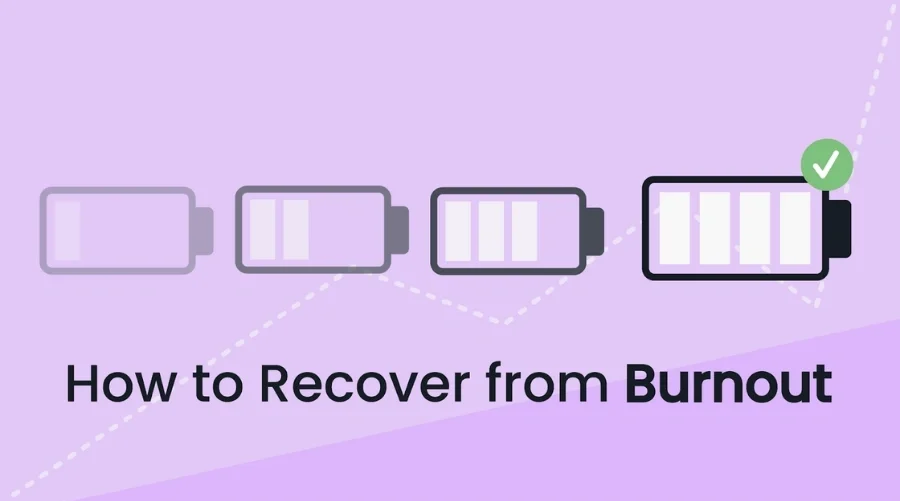
Sometimes, burnout has already set in — and no amount of time off or motivational quotes can fix it overnight. Recovery takes intention, support, and small, consistent changes. If you or someone on your team is feeling burned out, here are some realistic ways to start the healing process.
Start by doing less, not more
When you’re burned out, even simple tasks feel overwhelming. The instinct might be to “power through” or fix everything at once — but that backfires.
Instead, scale back. Cut unnecessary meetings. Delay non-urgent projects. Focus on one meaningful task per day. Momentum comes from small wins, not overcompensating.
Create boundaries — and actually respect them
Burnout thrives when work bleeds into every part of life.
Set firm work hours and stick to them. Turn off notifications after hours. Say no to things that don’t need to happen now. Recovery starts when your brain gets real breaks.
Reconnect with what feels good to do
Burnout often numbs everything — even the work you used to enjoy.
Find small parts of your role that still feel interesting, creative, or energizing. Lean into those, even if it means adjusting priorities for a while. It helps you rediscover your drive.
Talk to someone (yes, really)
Don’t go silent. Talk to a manager, teammate, friend — anyone who can help you process what you’re feeling.
Sometimes burnout feels like a personal failure, but it’s not. The fastest way to break that cycle is honest conversation.
Take time off — the right way
A vacation can help, but only if it’s real. Don’t check Slack. Don’t “just peek at email.” Step away completely, even for a few days.
If full time off isn’t possible, create mini-breaks: half-day Fridays, no-meeting days, or screen-free evenings. Your nervous system needs recovery time.
Make small lifestyle tweaks that support energy
No, this isn’t a lecture about green smoothies. But energy comes from basic routines — sleep, movement, food, and time away from screens.
Try improving one thing at a time: maybe walking daily, drinking more water, or sleeping earlier. The goal isn’t perfection — it’s stability.
Reassess what’s causing the burnout in the first place
Is it the workload? A toxic relationship? A mismatch between what you do and what you value?
Burnout is often a signal that something deeper isn’t working. Recovery means listening to that — and making real changes when you’re ready.
Read more: 8 Proven Strategies to Improve Work Efficiency in Your Team
FAQs
- What are the early signs of employee burnout?
Early signs include constant fatigue, irritability, reduced performance, disengagement, and a lack of motivation. If someone who used to be proactive starts pulling back or missing deadlines, burnout might be the cause.
- How does burnout affect productivity?
Burnout leads to lower output, more mistakes, and slower decision-making. It can also increase absenteeism and turnover, which directly impacts team efficiency and morale.
- Can remote employees experience burnout?
Absolutely. In fact, remote workers often struggle with blurred work-life boundaries, overworking, and isolation — all of which can lead to burnout if not managed properly.
- What’s the difference between stress and burnout?
Stress is usually short-term and caused by specific situations. Burnout is a chronic state of emotional, mental, and physical exhaustion that doesn’t go away with rest. It often stems from prolonged stress without adequate support or recovery.
- How can managers support burned-out employees?
Managers can help by adjusting workloads, offering flexibility, actively listening, and creating a culture where rest and boundaries are respected. Providing access to the right tools and mental health resources also makes a big difference.
- Are there tools that help prevent burnout?
Yes. Tools that streamline communication, reduce context switching, and automate repetitive tasks can ease daily pressure. Platforms like Beincom integrate AI-powered collaboration features to reduce digital overload and support team wellbeing.