

Building a strong community requires more than just members—it needs a community content strategy. From engaging AMAs to creative contests, this guide explores how to craft valuable content that keeps your online community active and connected. Learn the essential steps to setting content goals, understanding your audience, and maintaining an engaging content cadence. Let’s get started!
What is Community Content Strategy?
Think of community content as the “snack table” at a party. It’s what draws people in, gives them a reason to stay, and sparks conversations. In an online community, content is anything created for or by members that provides value, sparks engagement, and encourages people to stick around long-term. Crafting a successful community content strategy ensures that these “snacks” keep coming, offering consistent value and keeping the energy alive.
A community content strategy is a planned approach to continuously provide valuable and engaging content for an online community. It includes understanding the community’s needs, creating relevant content, and distributing it effectively to keep members engaged and foster long-term commitment. A community content strategy offers multiple benefits:
- Enhanced Engagement: A structured strategy helps create interactive opportunities that invite more participation.
- Member Retention: Regular, meaningful content keeps members active and invested in the community.
- Stronger Relationships: A well-executed strategy builds trust and deeper connections among members.
- Growth & Sustainability: A consistent stream of quality content can help attract new members and sustain long-term community growth.

Looking for more tips for online community mangement? Check out this article: A complete guide to online community management: Strategies for success
Key Content Formats to Energize Your Online Community
Creating high-quality community content is essential for fostering engagement and connection among members. In this section, we’ll explore dynamic content ideas for an online community that can boost participation and create a vibrant atmosphere. Let’s dive into the key strategies that can energize your online community!
Ask Me Anything (AMA)
AMA sessions, whether with experts or community members, drive strong interaction. For example, Reddit’s AMAs generate thousands of questions and responses quickly, making them one of the platform’s most engaging content ideas to engage the community. You can use this format to give your community a chance to connect with influencers, thought leaders, or internal experts.
Pro Tip: Prepare for AMA sessions by gathering frequently asked questions beforehand and ensuring the host responds promptly to maintain flow.
The AMA session hosts can come from your company like your company founders or your product team or outside the company like influencers and expects.
Virtual Meetings
Communities engaging in live virtual meetings have a higher chance of building trust compared to those relying solely on text. Whether casual hangouts or structured workshops, real-time virtual connections deepen relationships. They create a human touch in an online world, helping members feel more personally connected.
For example, Discord or Zoom meetups for gaming or hobbyist groups often lead to closer-knit communities where members build stronger bonds through shared experiences.
Feedback Surveys
Want to know what your community is thinking? Feedback surveys are a perfect way to engage your members while gathering insights. They show that you value their opinions and give them an active role in shaping the community.
Support Tickets as Q&A
Turn mundane support tickets into engaging Q&A content. Sharing common questions and solutions not only helps other members but also encourages them to ask their questions and join in the conversation.
For example, with BIC Chat’s Threads feature, each common question can open as a standalone topic, so anyone can jump in, find helpful answers, or ask related questions. This way, the community builds a growing, easy-to-navigate hub of shared knowledge that keeps everyone engaged and in the loop.
Contests
A little competition never hurts! Contests give your community members a reason to interact and participate. Whether it’s submitting ideas, photos, or videos, people love getting creative—and they’ll stick around to see who wins.
- Leverage FOMO (Fear of Missing Out): Post exclusive, short-lived offers and encourage community members to act fast. For example, offer a limited-time discount to your community and ask them to share it to spread the word.
- “Caption This” Contest: Post images or GIFs and invite members to write funny or clever captions. This is an easy way to boost engagement and highlight creativity.
- Scavenger Hunt: Hide clues within your posts and reward members who can find the answers. This playful interaction encourages repeated visits and keeps your community engaged.
- Customization Contest: Invite users to share how they’re customizing your product (e.g., sneakers, software). Showcase their creativity while promoting your brand.
- Trivia Contest: Post questions related to your product, company, or industry. This both educates and engages your audience while increasing product awareness.
- Brand & Celebrity Association: Run a contest where members associate your brand with celebrities, allowing you to assess how they perceive your brand personality while making the interaction fun.
By mixing creativity with rewards, these contests keep your community active, engaged, and excited to return for more.

Now that we understand what engaging content is for an online community, let’s look at how you can begin creating a community content strategy with these six essential steps.
6 Steps to Build A Community Content Strategy
1. Set Goals
To start building your community content strategy, ask yourself these key questions:
- Why: Why is this content important to your community? Are you driving interaction, providing educational value, or promoting products?
- What: What types of content will resonate most with your audience? For example, are they looking for tutorials, social discussions, or exclusive offers?
- When: Timing matters. Should you post on weekdays or weekends? Test different posting times and frequency to match your community’s behavior.
- Who: Decide if the content will be community-driven or managed by a content team. Are you fostering user-generated content or is your strategy more top-down?
- Where: Will your community content live on a forum, in emails, or across social media channels? Choose a platform that aligns with your audience.
2. Define Your Community’s Identity
Defining your community’s identity is crucial for setting the tone and direction of your community content. Your community’s identity voice should reflect the values and personality that resonate with your audience.
- Consistency: Ensure your tone remains consistent across all content. Whether you’re aiming for a friendly, professional, or witty vibe, your content should speak the same language.
- Values: Identify the core values your brand stands for. These values will guide your content and ensure it aligns with the mission of the community’s positioning.
- Differentiation: Determine what sets your community apart from others. Is it your commitment to open discussion, your focus on high-quality educational content, or your use of humor?
- Visual Identity: Beyond just words, your brand’s look matters too. Choose colors, fonts, and imagery that reinforce your community’s identity and create a recognizable visual experience.
By clearly defining your community’s identity, you’ll ensure that your community content strategy is recognizable, authentic, and aligned with your overall goals.
3. Segment Your Target Audience
Knowing who your community members are is essential for tailoring content that captures their attention. Take the time to research and segment your audience to create engaging content for an online community that resonates deeply with their needs.
- Demographics: Consider the age, gender, and location of your audience. This will affect everything from content topics to tone and posting times.
- Psychographics: Look beyond the basics to understand your audience’s interests, motivations, and challenges. Are they professionals looking for industry insights, hobbyists seeking advice, or customers in need of support?
- Pain Points: Identify the problems your audience faces and craft high-quality community content that addresses those specific issues. This not only adds value but also shows empathy and understanding.
- Engagement Patterns: How does your audience prefer to engage? Are they more likely to comment on posts, participate in polls, or consume video content? Knowing this helps you decide what formats to focus on.
- User Personas: Creating user personas based on real data will help ensure you speak directly to the different segments of your audience. This can include beginners, intermediates, or experts, each requiring tailored content.
By outlining your target audience, you ensure your community content strategy speaks directly to the people you want to engage, making your community more vibrant and inclusive.
With Beincom, the Inner Circle Structure (ICS) makes audience segmentation even more effective by allowing you to create focused groups within the community based on shared interests, expertise, or goals. This way, you can create content that feels personal and relevant, leading to deeper engagement and connections among members.

4. Decide on Content Cadence
A content cadence is simply the rhythm or pattern of your posting. Successful communities often use multiple cadences to cater to different personas and needs. The more frequent the posting, the less effort each piece of content typically requires, while broader cadences may involve more planning and higher effort. Here’s a breakdown:
High-Frequency
This type of content is the backbone of an active community. High-frequency content is usually low-effort, designed to maintain daily engagement. This might happen every day, every other day, or even three times a week.
- Daily engagement prompts like quick polls or open-ended questions (e.g., “What’s your goal for today?”)
- Conversation starters or sharing industry news to spark discussions
- Short, relevant challenges like “Share your workspace” or “Post your favorite productivity tip.”
These posts are lightweight and help keep the community buzzing with frequent touchpoints.
Medium-Frequency
Medium-frequency content typically includes slightly more involved activities, but it doesn’t require too much effort from the community team. Think of it as a few times a week, including regular rituals or events.
- A weekly Q&A or AMA (Ask Me Anything) with an expert, either live or asynchronously.
- Monday motivation threads or Friday reflection posts.
- Weekly recaps or announcements to highlight community milestones or new initiatives.
These kinds of posts start to build a routine, helping community members know when to expect certain types of engagement.
Low-Frequency
Low-frequency content is medium to high effort and provides deeper value to your community. These posts might happen once a week or a few times a month.
- Partner workshops where members can learn something new and actionable
- Product feedback sessions that invite members to shape the direction of a product or service
- A monthly challenge or campaign (e.g., “30 days of mindfulness”).
These events require a bit more involvement but can foster stronger engagement and long-term connections within the community.
Lowest-Frequency
Lowest-frequency content is your high-effort, high-reward showpieces. These are often significant events or content that may happen annually or quarterly, requiring extensive planning and preparation.
- Annual summits, in-person meetups, or virtual conferences where community members can network and collaborate.
- Comprehensive reports or eBooks that provide valuable insights based on community contributions
- Major product launches or community-wide campaigns that involve extensive promotion and participation.
These moments are high-impact, designed to deliver significant value to your members, while also showcasing your community’s strength and influence.
Want to find more content ideas for an online community? Find out this article: Top Secret Community Engagement Ideas to Boost Interaction
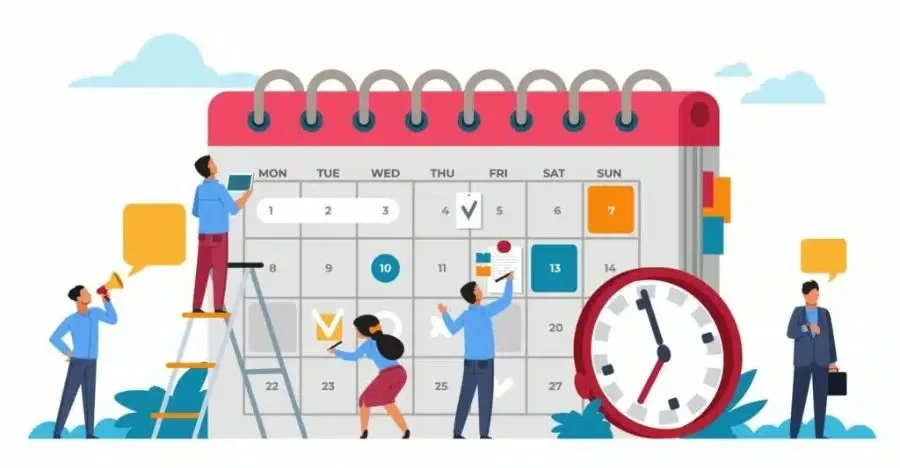
5. Create Your Content Calendar
Planning is essential! A well-organized content calendar will help keep you on track and ensure your community remains engaged. Map out your content ideas to engage the community (e.g., daily posts, weekly events), and color-code them to make tracking easier. Regularly update the calendar to reflect community interests and feedback.
6. Measure Impact
How do you know if your community content strategy is working? By measuring its impact! Use engagement metrics like comments, likes, shares, or even attendance at virtual events. Analyze which content formats generate the most interaction and refine your strategy accordingly.
Introducing BIC Group: The Future of Community Engagement
BIC Group is a community-focused platform that empowers users to build and engage with online communities effectively. By integrating innovative features that enhance community content strategy, BIC Group provides tools for seamless interaction and meaningful connections among members.
- Chronological Newsfeed: Beincom ensures users reach the content from the communities they’ve joined, displayed chronologically. This focused approach promotes relevant engagement without interference in content distribution. Additionally, this means that community managers don’t feel pressured to produce content as frequently as the platform might require to maintain interaction – just posting is enough to reach their audience.
- Inner Circle Structure (ICS): This unique feature allows large communities to be segmented into smaller, topic-based groups, facilitating in-depth discussions and enhancing member interactions. It helps distribute content effectively to the right target audience.
- Automatically Generated Chat Channels: Joining a group automatically creates a dedicated chat channel for all members, streamlining communication and making it easier to connect.
- Flexible Compose Tool: Supporting both short posts and long-form content, BIC Group allows users to create rich, meaningful articles and series, promoting deeper connections and engagement with community members. Moreover, Beincom offers an AI quiz feature that tests members’ comprehension of the content.
- Combination of Web2 and Web3 Technologies: By leveraging both familiar social media experiences (Web2) and the enhanced security and transparency of blockchain (Web3), BIC Group ensures user protection and fosters trust within the community. Donations are also available to help maintain motivation and generate income for content creators.

Ready to elevate your community content strategy? BIC Group offers all features you need to build thriving communities. Whether you’re looking for more meaningful engagement, seamless communication, or enhanced security, BIC Group has it all. Visit BIC Group today and enjoy the difference!
Beincom


