

Growing a community requires understanding key factors, but knowing where to start can be challenging. Discover essential strategies to boost your community growth effectively!
What is Community Growth?
Community growth is the process of expanding and developing a group of people with shared interests, goals, or concerns. It is not just about increasing the number of members but also involves enhancing the level of interaction, engagement, and activity among community members. Community growth can occur across various platforms, both digital and offline.
Benefits of Online Community Growth
Benefits for Businesses
The community serves as an effective marketing channel, allowing businesses to convey messages and advertising campaigns naturally and authentically through sharing and spreading by members.
For example, companies like Nike and Apple often maintain dedicated community groups on online platforms specifically for their customers. In these groups, members share their product experiences and provide feedback and recommendations, which helps the brand communicate its advertising messages in a natural and credible manner. Additionally, when a new product is launched, the brand can share information and promotions directly within the community. The sharing and discussions among members generate natural awareness and excitement about the product.
Direct interaction with the community helps businesses quickly address customer issues and meet their needs, thereby enhancing customer satisfaction and loyalty.
A big, positive, and valuable community helps businesses build credibility and reputation in the industry. As the community grows, the positioning of the brand is empowered, awareness is raised, and the marketing budget is optimized.
Benefits for Individuals
Joining a vibrant community offers individuals the opportunity to connect with others who share similar interests or goals, thereby expanding their personal and professional networks. This can lead to opportunities for collaboration, learning, and personal development.
For example, if you’re interested in finance and want to learn about investing, you can join groups or communities in this topic on the Beincom platform. By doing this, you connect with other members who share the same interests, and experienced ones often share their knowledge. You’ll have the opportunity to gain valuable information and participate in discussions and learning exchanges.

You can take a look further: 5 Benefits of Building Online Communities That You Can’t Overlook
Stages of Community Growth
Developing a community is not just about attracting members but also about nurturing and maintaining long-term engagement. This process usually goes through 4 main stages:
Formation Stage
This is the initial stage when the idea of the community is identified and built. At this stage, the community’s goals and mission need to be clear, while attracting the first members who share the same vision. Establishing a foundation, such as an online forum or group, is essential.
With online communities, this is the stage when the founding members create content, thus forming the “vibe” of the community. The accumulation of content is required to keep the new members engaged with the community.
See more ways to build an online community here: How to build an online community: 6 easy & simple steps
Growth Stage
After the community has been formed, this stage focuses on increasing visibility and attracting more members. Key factors driving growth include promotional activities, regular interaction, and creating value for the community. Maintaining the quality of content and interactions among members is crucial.
Maturity Stage
At this stage, the community has reached a certain level of stability in terms of membership and interaction quality. Members begin to create content and interact with each other naturally. The role of the community manager is to maintain balance, ensuring that everyone feels valued and stays actively engaged.
You may find the culture of the founding members is now diluted somehow. Depending on how serious it is, the managing team should consider some regulations to achieve the double targets: To grow and to be.
Transition or Decline Stage
Depending on how it is managed, the community may enter either a transition or decline phase. Without innovation, the community could gradually lose members’ interest. However, if well managed, the community can enter a transition phase, undergoing reshaping and creating new value to sustain and continue growing.
To keep your community secure and engaging, community moderation is crucial. Explore tips here.
Best Practices for Community Growth
Developing a sustainable community requires not only persistence but also a clear and scientific strategy.
- First and foremost, setting specific goals plays a foundational role. Goals not only guide the community but also serve as a “compass” for all activities, providing members with a clear reason to join and remain engaged. When the community has clear objectives, members can easily understand the value they will gain from participating, thus attracting the right individuals who are eager to contribute.
- In addition, listening and interaction are key factors in building trust and engagement. A community only truly grows when the manager understands the desires and needs of members. Listening helps resolve emerging issues and strengthens the relationship between members and the community. Proactive communication, regular feedback, and maintaining connections will create a safe space where everyone’s voice is valued.
- Another important factor is creating valuable content. Quality content is the “heart” of any community, as it not only attracts new members but also sustains long-term interest and commitment. When members join, they will feel they are continually growing.
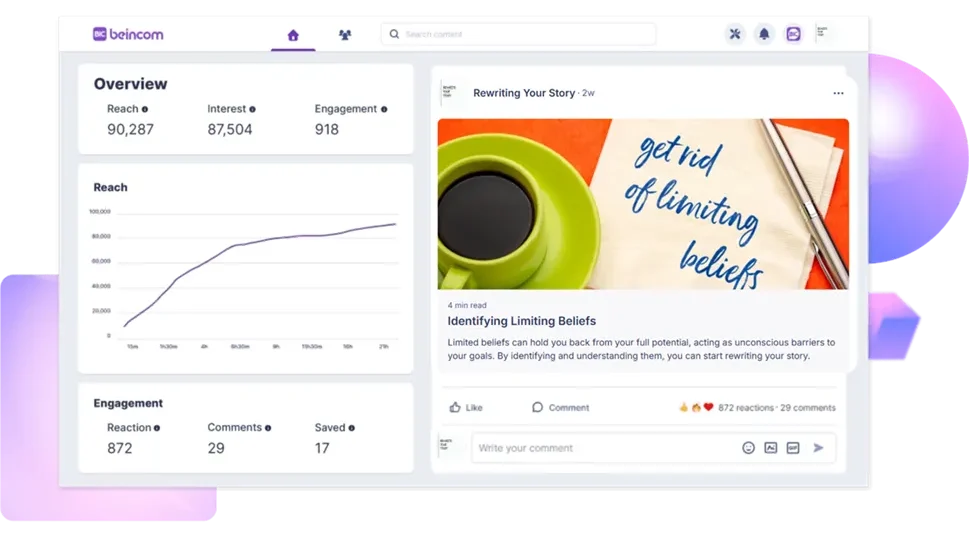
- Finally, analyzing and measuring growth is equally crucial. Utilizing analytical tools to track the number of members, engagement levels, and content quality will provide a comprehensive view of the community’s development. Based on this data, you can make timely strategic adjustments to optimize sustainable growth.
For sustainable community growth, you need the right tools. Discover the best solutions through this article: Top 6 Community management tools you should add to your list in 2025
Measuring and Analyzing Community Growth
To effectively assess community growth, measurement and analysis are crucial. Metrics and analytical tools help you understand the level of activity, member engagement, and the effectiveness of your current strategies.
Identify Key Performance Indicators (KPIs)
First, you need to identify key performance indicators to measure online community growth. These may include the number of new members, member retention rate, engagement levels (such as comments, and shares), and the quality of discussions. Depending on your specific goals, these indicators can be adjusted to accurately reflect community growth.
Utilize Analytical Tools
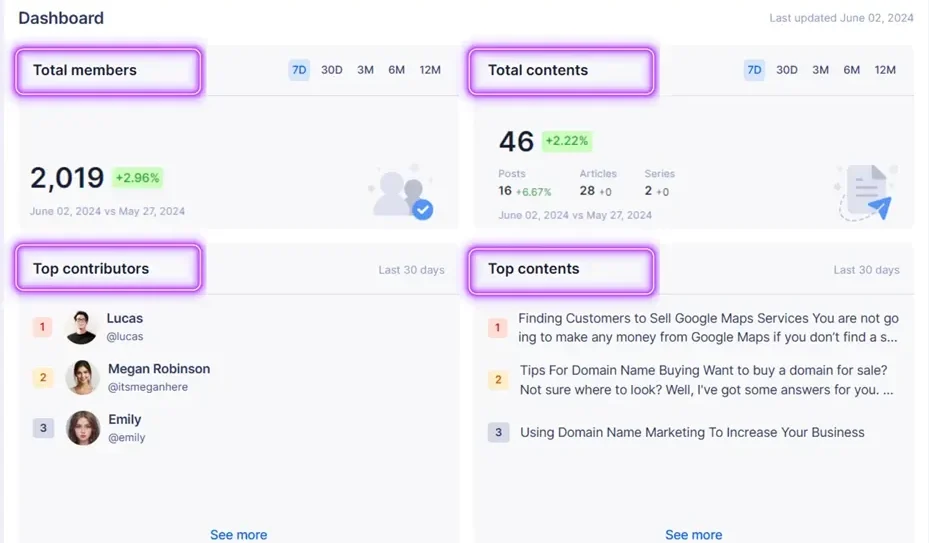
Use analytical tools to track and measure these indicators. Social media platforms often provide built-in analytics tools, or you can use specialized software to collect detailed data. These tools help you monitor trends, identify strengths, and pinpoint areas for improvement.
Analyze Data
Once you have collected sufficient data, the next step is to analyze it to gain a deeper understanding of community growth. Data analysis helps identify trends, interaction patterns, and member needs. This insight allows you to adjust your development strategy and focus on effective activities.
Evaluate Effectiveness
Finally, evaluating the effectiveness of your strategies and community activities is essential. Based on data analysis, you can adjust your strategy to better meet member needs and expectations. Regular evaluation helps maintain sustainable growth and continuously improve community quality.
Read more: Building Community Culture: Why It’s Important & How to Start?
Conclusion
Building and sustaining a thriving community requires a strategic and thoughtful approach. From understanding the fundamental elements of community growth to implementing best practices and measuring success, each step plays a crucial role in creating a dynamic and engaging environment.
First, recognize that growth involves not just increasing the number of members but also fostering meaningful interactions and engagement. The benefits of community growth are significant: for businesses, a vibrant community can serve as a powerful marketing tool and a valuable source of customer insights; for individuals, it provides opportunities for networking, learning, and personal development.
Understanding the stages of community development formation, growth, maturity, and transition or decline helps you adapt your strategies accordingly. To build a sustainable community, set clear goals, engage with members, create valuable content, and regularly analyze the community’s performance. Measuring and analyzing metrics such as new member count, retention rates, engagement levels, and discussion quality will give you a clearer picture of community growth, allowing you to adjust your strategies to meet members’ needs and expectations.
By focusing on these core elements, you can create a community that not only thrives but also provides long-term value for its members and achieves its overarching goals. Continue refining your approach, stay attuned to members’ needs, and embrace innovation to ensure your community remains dynamic and progressive.
If you want to build a thriving community, Beincom – a social hub and community platform will be the one to help you realize this. With powerful tools and superior features, Beincom supports you in building, managing, and growing your community, from attracting new members to maintaining long-term engagement. Let Beincom accompany you on your journey to create a strong and sustainably growing community network.
Beincom


