In today’s digital world, online communities play a crucial role in connecting people to interact, share ideas, and build relationships. But without community moderation, things can quickly spiral out of control—leading to spam, toxicity, and even legal issues.
So, how do you keep your community safe, welcoming, and engaging? The answer lies in effective community moderation strategies. Let’s explore what community moderation is, why it’s important, and the best practices to ensure your online community thrives.
What is Community Moderation?
Community moderation is the process of managing and overseeing an online community to ensure that discussions remain respectful, productive, and aligned with the community’s purpose. Moderators enforce guidelines, handle conflicts, remove harmful content, and foster a positive environment.
Online community moderation can take different forms, including:
- Pre-moderation: Reviewing content before it’s published.
- Post-moderation: Monitoring and removing inappropriate content after it’s posted.
- Reactive moderation: Responding to reports and complaints from community members.
- Automated moderation: Using AI tools to filter spam, hate speech, or inappropriate behavior.
Whether you’re running a brand forum, social media group, or online support community, moderation is the key to maintaining a healthy and engaged member base.
Wondering how to manage your community? Explore this: A complete guide to online community management: Strategies for success
Why Is Community Moderation Important?
A well-moderated community isn’t just about removing bad actors—it’s about creating a space where people feel safe, respected, and encouraged to participate. Here’s why community moderation is essential:
- Protects Members from Harmful Content: Trolls, spammers, and toxic users can ruin the experience for everyone. Moderation helps keep discussions positive and meaningful by filtering out harmful content.
- Builds Trust and Engagement: People are more likely to participate in a well-managed community where they feel heard and respected. A good moderation strategy encourages healthy discussions and stronger connections.
- Aligns Community with Brand Values: If you’re managing a brand community, moderation ensures discussions align with your brand’s mission, tone, and values—maintaining a professional and positive reputation.
- Reduces Legal Risks: Communities that allow offensive or illegal content can face legal issues. Proper moderation helps prevent harassment, copyright violations, and other legal concerns.
Now that we understand why community moderation matters, let’s explore best practices for keeping your online community thriving.

Community Moderation Best Practices
Effective community moderation goes beyond removing inappropriate content—it’s about fostering a positive, respectful environment where members feel safe to engage. Here are key strategies to ensure a well-moderated, thriving online community.
1. Establish Clear Community Guidelines
Strong community guidelines set the tone for behavior and interactions. Without them, discussions can quickly become chaotic, leading to spam, harassment, and off-topic content. Well-crafted guidelines should:
- Clearly define acceptable and unacceptable behavior.
- Outline the purpose of the community and who it is for.
- Set expectations for community content strategy, including what is encouraged and what is prohibited.
- Provide instructions on how members can report violations.
- Explain the consequences of breaking the rules.
Keeping guidelines concise and easy to understand is key. Use bullet points and formatting that make them skimmable, ensuring members can quickly grasp the most important information.

2. Build a Dedicated Moderation Team
A strong moderation team is essential for enforcing guidelines, resolving conflicts, and maintaining a healthy community culture. Depending on the size of your community, moderators may be a mix of volunteers, paid staff, or sourced from the community itself.
To build an effective moderation team:
- Recruit individuals who align with your community values. Look for people who genuinely care about the community’s mission and have demonstrated positive engagement.
- Provide training on moderation tools and conflict resolution. Ensure that moderators understand the platform’s features, reporting systems, and how to handle disputes professionally.
- Establish clear roles and responsibilities. Define when moderators should intervene, how to escalate issues, and the level of authority they have.
- Create a private space for moderators. A dedicated forum or chat allows moderators to discuss concerns, share insights, and make decisions collectively.
Sourcing Moderators from the Community
If your community is already thriving, consider promoting active and responsible members to moderation roles. Community-sourced moderators bring an authentic understanding of the space and can help foster engagement.
Here’s how to find and recruit moderators from within your community:
- Identify highly engaged members: Look for individuals who frequently participate in discussions, contribute valuable insights, and naturally mediate conflicts.
- Review their interaction history: Check their posts and replies to see if they promote constructive discussions, handle disagreements well, and maintain a positive presence.
- Make a public call for moderators: Create a community post announcing that you’re looking to build a moderation team, allowing interested members to apply.
- Personally invite strong candidates: If you notice someone who would be a great fit, reach out to them directly and ask if they’d be interested.
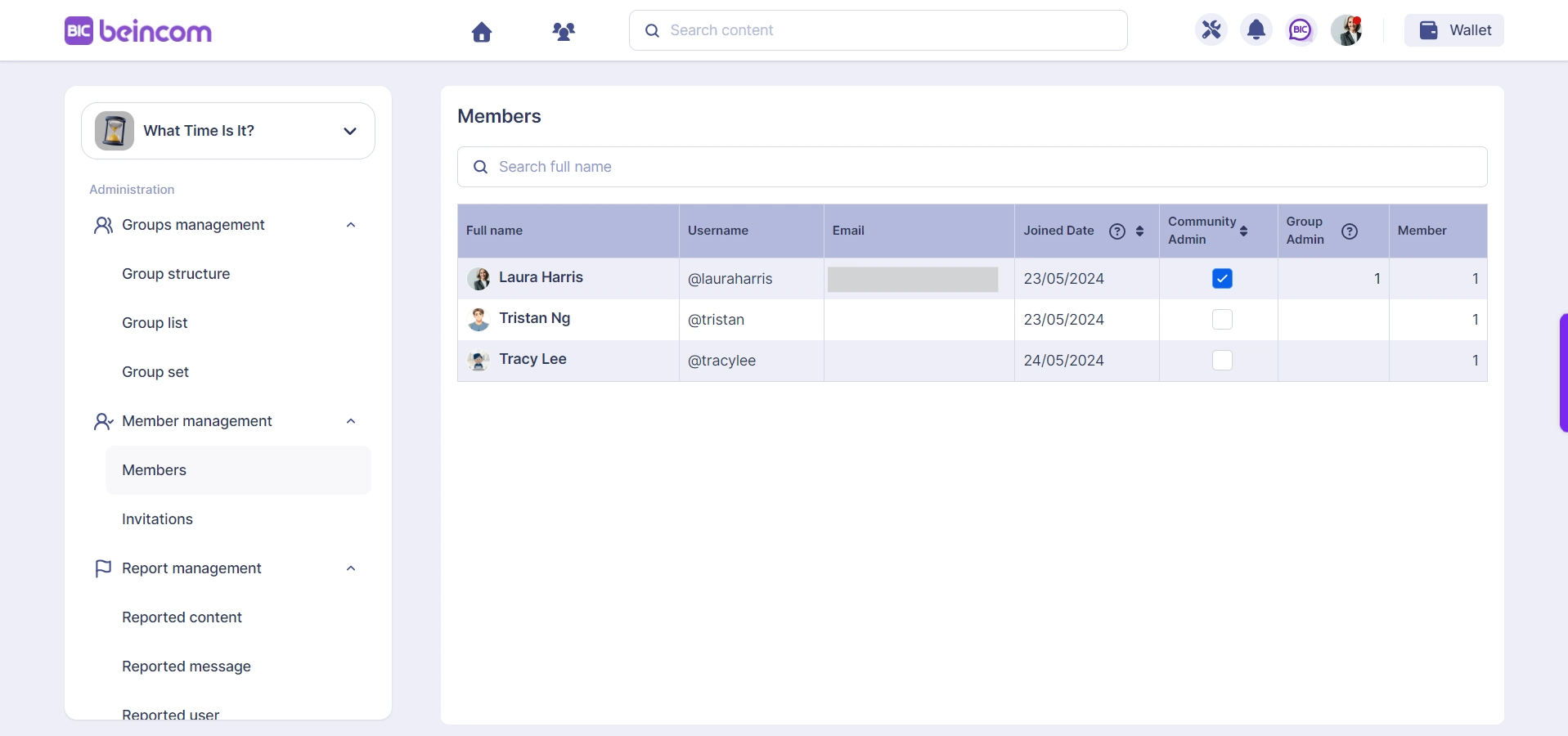
- Upgrade their role within the platform: Most community management tools allow you to assign moderator privileges to selected users.
Sourcing moderators from within the community fosters trust and ensures that the team understands the culture and values of the group. When done right, these moderators can help strengthen engagement while maintaining order.

3. Create a Clear Escalation Process
Not all moderation decisions are straightforward. Some cases—such as repeated rule violations, harassment claims, or controversial topics—require a structured escalation process. This ensures fair and consistent handling of issues.
A solid escalation process should:
- Define different levels of violations and corresponding actions.
- Establish procedures for warnings, temporary suspensions, and permanent bans.
- Provide a way for members to appeal moderation decisions.
- Ensure that moderators document major incidents for transparency and future reference.
Having a structured approach prevents unnecessary conflicts and maintains fairness in the community.
4. Moderate Your Community in Real Time
Timely moderation prevents issues from escalating and maintains a positive atmosphere. While manual moderation can be time-consuming, combining human oversight with automation can improve efficiency. Consider:
- Using AI-powered tools to detect and flag offensive content.
- Setting up keyword filters to block harmful language.
- Implementing community-driven reporting systems so members can flag inappropriate behavior.
The sooner issues are addressed, the healthier the community remains.

5. Start Online Community Moderation Early
Waiting until a problem arises to implement moderation measures can lead to a toxic environment. Instead, establish moderation practices from the very beginning. This includes:
- Setting clear expectations for behavior from the moment a community is launched.
- Actively engaging with members to model the desired tone and interactions.
- Removing harmful content early to prevent negative patterns from forming.
Proactive moderation lays the groundwork for a respectful and engaging community culture.
Read more: Top 6 Best Community Management Platforms
6. Lead by Example
Members look to moderators and admins for guidance on how to behave. If the leadership team is active, respectful, and engaged, the community will follow suit.
How to Lead by Example:
- Participate in discussions. Engage with members by responding to posts, sharing insights, and contributing positively.
- Follow the rules you enforce. If the guideline says “No Self-Promotion,” moderators shouldn’t promote themselves either.
- Acknowledge good behavior. Highlight constructive discussions and reward valuable contributions.
A well-moderated community starts with strong leadership that embodies the values it promotes.
To further enhance your community-building efforts, check out 6 Essential Tips to Improve Community Management Skills for expert insights.
7. Vet New Members
New members can bring fresh energy to a community, but they can also pose moderation challenges, especially if trolls or spammers slip in. To minimize risks:
- Require new members to complete a short questionnaire about their intentions for joining.
- Ask for LinkedIn or social media links to verify identities.
- Restrict posting abilities for new members until they engage with existing discussions.
- Implement a system where a moderator must approve the first post of every new member.
These steps help maintain quality engagement and prevent disruptive behavior.
8. Listen to Your Community
Moderation isn’t just about enforcement—it’s also about adapting to the community’s needs. Engaged members can provide valuable insights into what’s working and what’s not. To stay responsive:
- Encourage feedback through surveys or community discussions.
- Regularly review reports and moderation logs to identify recurring issues.
- Adjust guidelines based on the evolving dynamics of the community.
When members feel heard, they’re more likely to contribute positively and respect the rules.
9. Continuously Assess Gaps and Updates
Community dynamics change over time. What worked when you had 500 members may not be effective at 50,000 members. Without regular assessments, outdated moderation policies can create blind spots, leading to emerging issues going unaddressed.
Regularly assess and refine your approach by:
- Analyzing engagement metrics to spot patterns in user behavior.
- Reviewing banned or flagged content to identify gaps in guidelines.
- Testing new tools or automation features to improve efficiency.
A successful moderation strategy is one that grows with the community, ensuring it remains a welcoming and engaging space.
By implementing these best practices, you can create a safe, engaging, and well-moderated online community where members feel valued and connected. Online community moderation isn’t just about enforcing rules—it’s about fostering meaningful interactions that make the community a place where people want to stay and contribute.
Build and Moderate Your Community with Beincom!
Building and moderating an online community requires a platform that offers robust features, user-friendly interfaces, and effective administration tools. Beincom stands out as a next-gen social hub and community platform, seamlessly integrating Web2 and Web3 technologies to provide a comprehensive solution for community builders.
Key Features of Beincom:
- 100% Reach Commit: Ensures every post reaches all community members without algorithmic interference, fostering transparency and engagement.
- Integrated Chat Tool (BIC Chat): Facilitates private and organized conversations within the community, enhancing engagement and interaction.
- Inner Circle Structure (ICS): Allows communities to create sub-groups, fostering deeper connections among members with shared interests.
- Smart Admin Dashboard: Provides real-time analytics on member growth, engagement trends, and top contributors, helping you optimize community management.
- Blockchain Integration: Utilizes NFTs to protect and verify personal and community accounts, enhancing security and ownership.
Beincom is committed to maintaining a safe and respectful environment through:
- Community Reporting: Enables users to report inappropriate content or behavior, ensuring issues are addressed promptly.
- Community Standards Page: Provides clear guidelines and expectations for all users, promoting a respectful environment.
- Anti-Spam Measures: Implements features to protect the community from inappropriate content and behavior.

With features designed to enhance interaction, protect user data, and promote quality content, Beincom is the ideal platform for building and moderating your online community.
Ready to elevate your community-building experience? Sign up for Beincom today and leverage its advanced features to create a vibrant, secure, and engaging community.
Beincom