Managing projects isn’t just about meeting deadlines—it’s about juggling multiple tasks, keeping teams aligned, and ensuring everything runs smoothly. Without the right skills, projects can quickly fall into chaos. That’s why mastering project management skills is essential. From planning and task management to leadership and collaboration, the right mix of hard and soft skills can make all the difference.
In this guide, we’ll break down the key project management skills every project manager needs and how to improve them to drive better results. Let’s get started!
What Are Project Management Skills?
Project management skills are the abilities and expertise required to successfully plan, execute, and complete projects. These skills help project managers and teams stay organized, meet deadlines, and deliver results efficiently.
Effective project management skills aren’t just about keeping track of tasks—it’s about balancing resources, adapting to challenges, and leading a team toward a common goal. Here’s why they are essential:
- Better Organization: Helps teams stay on track, reducing missed deadlines and last-minute chaos.
- Improved Collaboration: Ensures clear communication and teamwork across different departments.
- Higher Efficiency: Reduces wasted time and resources, keeping the project on budget.
- Risk Mitigation: Identifies potential problems early, preventing costly mistakes.
- Better Decision-Making: Helps project managers prioritize tasks and allocate resources effectively.
Mastering these project management skills can transform a chaotic workflow into a well-structured and high-performing system. Now, let’s dive into the essential hard and soft skills every project manager needs.

Struggling with budget overruns and disorganized workflows? Explore tips with Project Management: The Ultimate Guide to Managing Projects Like a Pro
Hard Skills for Project Management
Hard skills are the technical abilities and knowledge required to manage projects effectively. These types of project management skills are often measurable and can be improved through training and experience. Here are the key hard project management skills that every manager should develop:
1. Project Planning
A well-structured project plan lays the foundation for success. It’s not just about setting deadlines—it’s about creating a roadmap that aligns team efforts, defines clear objectives, and anticipates potential roadblocks. Project planning requires balancing time, scope, and resources while keeping stakeholders informed and engaged.
Beyond scheduling, strong project planning involves strategic thinking, risk assessment, and adaptability. A good project manager anticipates challenges and builds contingencies, ensuring projects stay on track despite uncertainties.
Here are some tips to improve your project planning skills:
- Break down projects into smaller, manageable tasks with clear milestones.
- Use project planning tools like Microsoft Project, ClickUp, or Notion to structure workflows.
- Identify risks early and develop contingency plans.
- Continuously review and refine plans based on project progress.
Struggling with disorganized processes? Create a SOP to streamline your operating procedures!
2. Task Management
Breaking down large projects into manageable tasks keeps teams organized and focused. Effective task management ensures that work is properly delegated, prioritized, and tracked, preventing bottlenecks that could derail progress.
Task management also involves workflow optimization—understanding team capacity, setting realistic deadlines, and ensuring tasks align with project goals. Project managers need a keen eye for efficiency, ensuring the right people are working on the right tasks at the right time.
To improve task management skills, you can:
- Use task management tools like Asana, Trello, or Jira to track progress.
- Prioritize tasks using frameworks like the Eisenhower Matrix.
- Set clear deadlines and expectations to avoid last-minute rushes.
- Regularly check in on task progress and reassign work when necessary.
3. Data Analysis and Reporting
Project managers rely on data to measure progress, evaluate performance, and make informed decisions. From tracking KPIs to generating reports for stakeholders, data analysis plays a crucial role in keeping projects aligned with business goals.
Strong analytical skills help project managers identify trends, detect inefficiencies, and adjust strategies accordingly. Being able to translate raw data into actionable insights ensures continuous improvement and better decision-making throughout the project lifecycle.
Here are some tips to improve your data analysis and reporting skills:
- Learn to use reporting tools like Power BI, Tableau, or Google Data Studio.
- Track key project performance indicators (KPIs) like cycle time and budget variance.
- Present data visually to make insights easy to understand.
- Use historical data to refine future project planning.
4. Risk Management
Every project comes with uncertainties, and the ability to foresee and mitigate risks is a critical skill for any project manager. Risk management involves identifying potential threats, assessing their impact, and developing contingency plans to minimize disruptions.
Beyond just spotting risks, project managers must proactively communicate potential issues to stakeholders, adjust project scopes when necessary, and build flexibility into their plans. A risk-aware mindset ensures projects stay resilient, even in the face of unexpected challenges.
Here are some tips:
- Conduct risk assessments at the beginning of each project.
- Use risk management frameworks like SWOT analysis or Failure Mode and Effects Analysis (FMEA).
- Create a risk response plan to address potential challenges.
- Regularly update risk assessments as projects evolve.
Soft Skills for Project Management
Technical expertise is important, but soft skills are what truly make a project manager effective—ensuring smooth teamwork, clear communication, and strong leadership throughout every project. Here are some key project management skills:
1. Collaboration
Project management is never a solo effort. A successful project manager fosters collaboration by ensuring that all team members work cohesively toward a shared goal. This means breaking down silos, encouraging knowledge-sharing, and ensuring that different departments or stakeholders stay aligned.
Collaboration goes beyond internal teams—it also involves working effectively with clients, vendors, and executives. A project manager who can facilitate open discussions and create a cooperative environment ensures smoother execution and better outcomes.
A culture of collaboration doesn’t happen overnight, but when nurtured, it leads to higher efficiency and better project outcomes. Here are some tips:
- Foster open communication and active listening.
- Use tools like Slack, Microsoft Teams, or Asana.
- Encourage cross-functional teamwork and regular check-ins.
- Build trust by recognizing contributions and valuing diverse perspectives.
For more tips on effective collaboration, read this article: The Ultimate Guide to Fostering Effective Team Collaboration
2. Communication
Clear and concise communication is at the heart of effective project management. Whether it’s updating stakeholders, resolving conflicts, or providing instructions to the team, a project manager must know how to articulate ideas and expectations clearly.
You can improve communication in the workplace by:
- Practice active listening and encourage open dialogue.
- Keep messages concise and tailored to the audience.
- Hold regular status meetings for alignment.
- Use multiple communication channels for clarity and accessibility.
Discover engaging team building activities for better team communication.
3. Problem-Solving
Every project encounters roadblocks, from resource shortages to shifting client demands. A great project manager stays calm under pressure, quickly assesses situations, and finds effective solutions. Strong problem-solving skills help turn obstacles into opportunities for learning and improvement.
To enhance problem-solving skills, you can:
- Break down complex issues into manageable parts.
- Identify root causes before jumping to solutions.
- Encourage brainstorming sessions for fresh perspectives.
- Stay adaptable and open to alternative solutions.
4. Teamwork
A project manager isn’t just a leader—they’re also a team player. Encouraging a culture of mutual respect, shared responsibility, and accountability ensures that projects move forward efficiently.
Teamwork also involves empowering others by delegating tasks effectively and trusting team members to take ownership of their work. A strong project manager nurtures an environment where everyone feels valued and motivated.
You can encourage teamwork in your organization by:
- Promote a culture of respect and inclusivity.
- Organize team-building activities to strengthen relationships.
- Facilitate knowledge-sharing sessions to leverage diverse expertise.
- Celebrate milestones to boost team morale.

Read more: Effective Remote Team Communication: Overcome Distance, Work Smarter
5. Decision-Making
In fast-paced projects, hesitation can lead to delays. Project managers must make informed decisions quickly—whether it’s reallocating resources, adjusting timelines, or solving conflicts.
Good decision-making isn’t just about speed; it’s about weighing risks, considering alternatives, and ensuring choices align with long-term project goals. Confidence, backed by data and experience, is key.
How to refine your decision-making skills:
- Gather relevant data before making major choices.
- Weigh risks and benefits for better outcomes.
- Seek input from team members when needed.
- Reflect on past decisions to improve future judgment.
6. Time Management
Balancing multiple deadlines, priorities, and stakeholders requires strong time management skills. Project managers must ensure that tasks stay on schedule while allowing flexibility for unexpected changes.
Time management isn’t just about meeting deadlines—it’s also about optimizing productivity. This involves setting realistic timelines, avoiding scope creep, and ensuring that workloads remain sustainable for the team.
Develop better time management by:
- Prioritizing tasks using methods like the Eisenhower Matrix or Pomodoro method.
- Setting realistic deadlines and including buffer time.
- Using time-tracking tools to improve efficiency.
For more tips, explore this article: 5 Tips For Effective Time Management at Work
7. Adaptability
No project ever goes exactly as planned. Unexpected challenges, shifting priorities, and changing client needs require a project manager who can pivot without losing momentum.
Adaptability means staying calm under pressure, embracing change, and guiding the team through uncertainties. The ability to reassess strategies and adjust workflows ensures projects remain successful, even in dynamic environments.
To build adaptability:
- Embrace change as an opportunity rather than a setback.
- Learn from past experiences to refine strategies.
- Use Agile methodologies to stay responsive to evolving project demands.
- Encourage teams to be open to new ideas and alternative solutions.
8. Leadership
More than just overseeing tasks, a great project manager inspires and guides the team toward success. Leadership in project management means setting a clear vision, motivating team members, and resolving conflicts effectively.
Strong leaders build trust, provide support, and foster a sense of accountability within their teams. They adapt their leadership style based on the team’s needs, ensuring everyone stays engaged and aligned.
Ways to become a stronger leader:
- Lead by example—demonstrate reliability, integrity, and positivity.
- Empower team members by delegating tasks effectively.
- Provide constructive feedback to encourage growth.
- Stay adaptable and continuously refine leadership strategies.

How to Level Up Your Team’s Project Management Skills
Strong project management skills don’t develop overnight. To ensure your team continues to grow and improve, it’s essential to invest in the right training, tools, and culture. Here are some effective ways to enhance your team’s project management skills.
Encourage Training & Certification Programs
Formal education can give project managers a solid foundation in methodologies, frameworks, and best practices. Certifications not only boost credibility but also ensure your team is equipped with the latest industry knowledge.
- Support team members in obtaining certifications like PMP, PRINCE2, or Agile.
- Offer internal training sessions or workshops tailored to your company’s needs.
Implement Mentorship & Coaching
Learning from experienced professionals can significantly accelerate skill development. A structured mentorship program helps junior project managers gain practical insights that aren’t always covered in textbooks.
- Pair less experienced project managers with seasoned mentors.
- Encourage knowledge-sharing through peer learning and feedback sessions.
Use the Right Project Management Tools
Technology plays a huge role in streamlining project workflows. The right tools can improve efficiency, organization, and collaboration.
- Leverage platforms like Trello, Asana, Jira, or Microsoft Project for task management.
- Use communication tools like Beincom, Slack, or Microsoft Teams to keep everyone aligned.
Looking for a right chat app for your team? Find out this article: 10 Best Group Chat Apps for Effective Team Collaboration
Foster a Knowledge-Sharing Culture
A team that actively shares knowledge becomes more efficient and innovative. Encouraging open discussions and documentation can prevent information silos and ensure continuous learning.
- Create an internal knowledge base for best practices and lessons learned.
- Hold regular retrospectives and team meetings to discuss improvements.
Read more: Build a Knowledge Base In 7 Easy Steps (with Tips)
Promote a Growth Mindset
Great project managers are always learning. By fostering a culture that values adaptability and continuous improvement, your team will be more resilient to challenges and better equipped for success.
- Encourage self-reflection and learning from past projects.
- Provide constructive feedback that supports professional growth.
Investing in your team’s project management skills will lead to smoother workflows, better decision-making, and ultimately, more successful projects. Keep refining these project management skills, and your team will stay ahead of the curve.

Take Your Project Management to the Next Level with Beincom!
Strong project management skills are the foundation of a successful team—but having the right platform to support your workflows is just as important. Beincom empowers teams with seamless collaboration, real-time updates, and an intuitive workspace to keep projects on track.
With Beincom, you get:
- Unlimited Members: Scale your team without worrying about member or message limits.
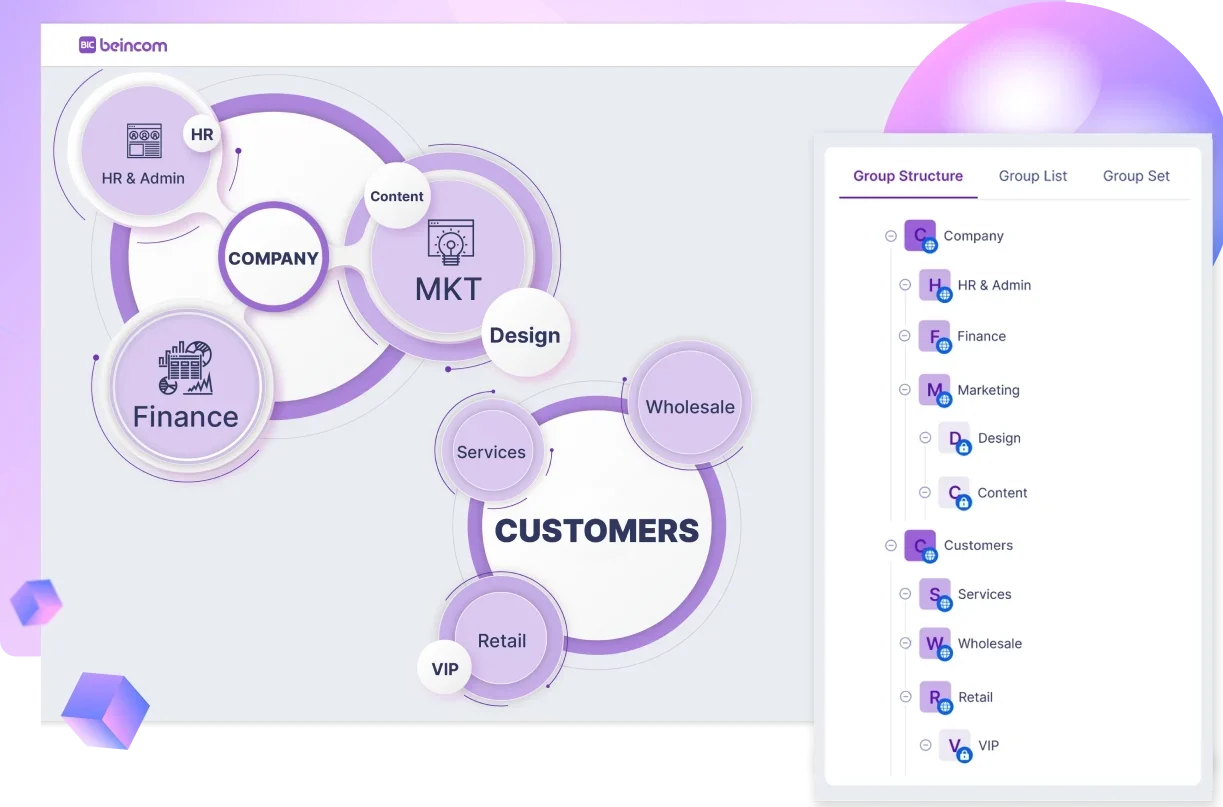
- Organized Inner Groups: With Beincom’s Inner Circle Structure (ICS), you can create up to 50 subgroups across 10 levels to keep conversations structured by department or project.
- Auto-Generated Chat Channels: Every new group automatically gets a dedicated chat space, neatly arranged in an intuitive directory tree.
- Real-Time Interaction: Communicate instantly with BIC Chat, ensuring seamless teamwork without delays.
- Simple & Intuitive Interface: Designed for ease of use, so your team can get started without a learning curve.
- Threaded Conversations: Keep discussions clear and easy to follow for better collaboration.
Whether you’re managing complex initiatives or streamlining daily tasks, Beincom provides the tools you need to stay organized, improve communication, and drive results.
Empower your team with the right tools and the right project management skills. Join Beincom today and take your project management efficiency to the next level!
Beincom