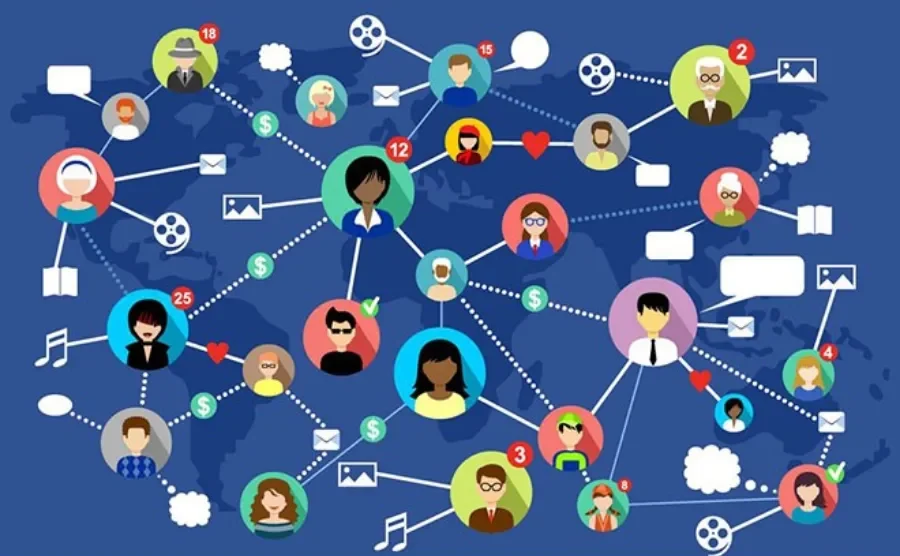
Let’s be real: Social media algorithms are exhausting. One day you’re viral, the next day you’re invisible. That’s why in 2026, everyone is pivoting. Brands, creators, and entrepreneurs aren’t just looking for “followers” anymore—they are building online communities.
But how do you go from a ghost town to a thriving digital hangout? Whether you’re building on Discord, Circle, or Facebook Groups, this guide will show you how to build an online community that actually sticks and thrives.
Learn more: A complete guide to online community management: Strategies for success
Why Building an Online Community is the Ultimate Flex
In the past, marketing was a one-way street: a brand talked, and the audience listened (or ignored). Today, that model is dead. Building an online community isn’t just a “nice-to-have” anymore; it’s a defensive moat for your business. Here is why it matters more than ever in 2026:
Owning Your Audience (Algorithm Insurance)
We’ve all seen it: a platform changes its algorithm, and suddenly your reach drops by 80%. When you build a community—especially on a dedicated platform—you own the relationship. You aren’t renting space on Mark Zuckerberg’s or Elon Musk’s servers; you are building on your own land. This direct line of communication ensures that your most important messages actually reach your most important people.
The Power of “Social Proof” and Trust
According to recent consumer trends, 84% of people trust recommendations from community members over traditional advertisements.
When a new prospect joins your community and sees hundreds of other people discussing your product, sharing tips, and helping each other, the “trust barrier” vanishes. Your members become your unofficial sales team, providing social proof that money can’t buy.
Drastic Reduction in Customer Support Costs
One of the most underrated benefits of a thriving community is “peer-to-peer” support. Instead of your team answering the same 50 questions every day via email, your veteran community members often jump in to help the newbies.
This creates a self-sustaining ecosystem that saves your company thousands of dollars in support hours while providing faster answers to your customers.
Real-Time Product Feedback & Innovation
Stop guessing what your customers want. A community is a 24/7 focus group. Want to launch a new feature? Post a poll. Not sure about a new logo? Ask for feedback.
This “co-creation” process doesn’t just result in better products; it makes your members feel a sense of ownership over your brand’s success. When people help build something, they don’t want to see it fail.
Increased Customer Lifetime Value (LTV)
The math is simple: members of a brand community spend more and stay longer than non-members. By fostering a sense of belonging, you move the relationship from “transactional” (I buy your stuff) to “emotional” (I am part of your tribe).
In an era of infinite choice, belonging is the ultimate retention strategy.
6 Practical Steps to Build an Online Community from Scratch
Building a community is a long-term project that requires a clear plan. It’s not just about creating a không gian; it’s about making people want to stay. Here is the step-by-step process to do it right.
Step 1: Define the Purpose and Audience
The most common mistake is building a community that is too broad. If you create a group for “Marketing,” you are competing with everyone. You need to identify a specific struggle that your members have in common.
- Pick a Niche: Instead of a general “Cooking Group,” build a “Meal Prepping for Busy Parents” group.
- Solve a Problem: Make sure your group addresses a recurring pain point for its members.
- Draft a Mission: You should be able to explain the purpose of the group in one simple sentence that anyone can understand.
Step 2: Select the Right Management Platform
Don’t pick a platform just because it has a lot of features. Pick it because your audience is already there. Every extra step a person has to take to join is a reason for them to say “no.”
- Social Platforms (Facebook/X): These are best if your audience is already active on social media and you want high discoverability. Since members don’t need to create a new account, the friction to join is almost zero. However, you have limited control over data and must compete with distractions like ads and personal notifications.
- Chat Platforms (Discord/Slack): Ideal for real-time networking and fast-paced discussions. These work best for “high-energy” communities like tech enthusiasts, gamers, or professional masterminds where instant feedback is more important than organized long-form content.
- Dedicated Platforms (Circle/Mighty Networks): Best for professional brands who want full control over member data and zero distractions. These platforms allow you to host courses, events, and discussions in a clean, branded environment, though they require members to log into a separate app.
- Social Intranets (Yammer/Viva Engage/Workplace): Essential for internal company communities or large-scale organizations. They offer high security and integrate directly with your existing corporate tools (like Microsoft 365 or Google Workspace), making them the go-to choice for building a “community at work.”

If you’re looking for a platform that combines social discoverability with professional management, Beincom is the perfect fit. Stop fighting algorithms and start building in a space designed for real ownership and deep engagement.
- Own your data and reach: No more “renting” your audience.
- All-in-one tools: Manage discussions, events, and members in one place.
- Built for scale: High-performance features for growing communities.
Step 3: Seed the Space with Initial Content
Nobody likes to be the first person to speak in a quiet room. Before you invite the public, you need to “seed” the group with high-quality posts to set the tone for future discussions.
- Start Conversations: Ask open-ended questions that are easy for newcomers to answer.
- Provide Value: Share a helpful resource or a “how-to” guide that solves a common problem immediately.
- Pin Introductions: Create a dedicated thread where every new member can introduce themselves.
Step 4: Execute a Soft Launch Strategy
Instead of announcing your community to everyone at once, start with a small “Beta” group of 10 to 15 people who are already engaged with your brand.
- Test the Vibe: Use this period to fix technical issues and see which types of posts get the most engagement.
- Gather Feedback: Ask these early members what they want to see more of before you open the doors to the public.
- Build Momentum: Having these people active ensures that when the general public arrives, they see a lively space.
Looking for tips to keep community engagement? Check out this article: Top Secret Community Engagement Ideas to Boost Interaction
Step 5: Establish a Consistent Content Routine
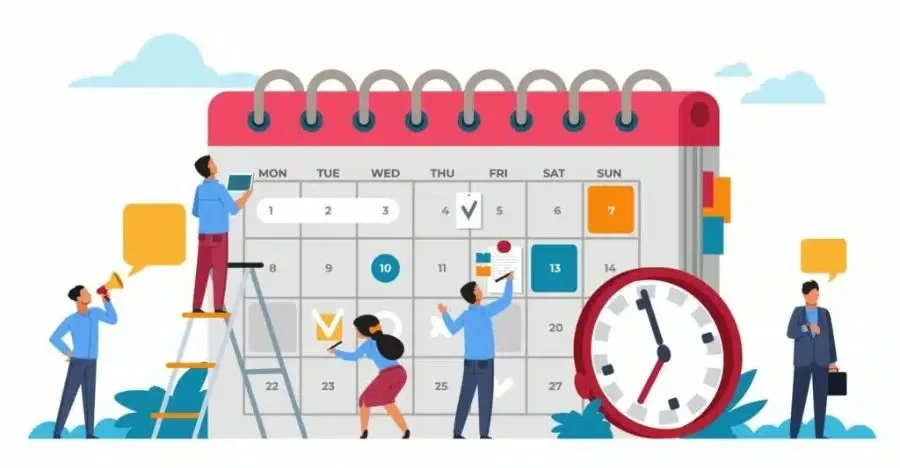
A community dies when it becomes unpredictable. You need to establish a rhythm so that members know exactly when to check in. These routines act as reminders for people to participate.
- Create Weekly Themes: Use prompts like “Tuesday Tools” or “Friday Wins” where members celebrate their weekly progress.
- Host Live Events: Organize monthly Q&A sessions or live workshops to build deeper trust and connection.
- Maintain Presence: Be the most active member in the beginning to greet everyone and keep the energy high.
Step 6: Empower Your Most Active Members
As the community grows, you cannot be the only person answering every question. Your goal is to move from being the manager to being the facilitator.
- Spot the Super-Users: Look for members who naturally help others and welcome newcomers without being asked.
- Assign Official Roles: Give titles like “Moderator” or “Ambassador” to your most loyal contributors.
- Encourage Peer Support: Slowly wait longer before answering questions to give other members a chance to step up and help each other.
Measure the Health of Your Community
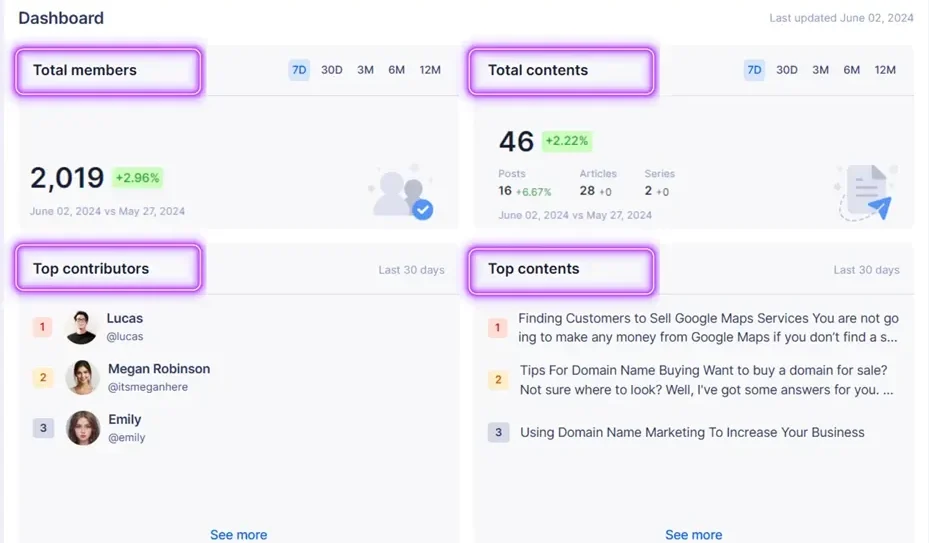
Many people make the mistake of looking only at the total number of members. However, a group with 10,000 silent members is just a “ghost town.” To understand if your community is actually thriving, you need to track metrics that reflect real human behavior.
Monitor the Active Member Ratio
This is the percentage of your total members who actually log in, post, or react within a specific timeframe (usually 30 days). A healthy community typically sees an active ratio of 20% to 30%. If this number drops, it usually means your content is no longer relevant or the group has become too noisy.
Track User-Generated Content (UGC)
In the beginning, you will be the one creating 90% of the posts. But as the community matures, the members should take over. A successful community is one where members start more discussions than the admin does. If you are still the only one posting after six months, you have a broadcast channel, not a community.
Analyze Member Retention Rate
Retention tells you how many people stay active month after month. High growth is useless if people leave after a week. Look for “churn” (people leaving or going silent) and try to identify exactly where you are losing them. Is it right after they join, or after they’ve been there for a month?
Evaluate Qualitative Success
Numbers don’t tell the whole story. You also need to look at the “vibe” of the conversations.
- Peer-to-peer support: Are members helping each other without you tagging them
- Sentiment: Is the tone of the group positive, curious, and helpful?
- Real-world impact: Are members achieving the goals they joined for (e.g., getting a job, losing weight, or learning a skill)?
Avoid Common Pitfalls in Community Building
Even with a great plan, many communities fail because of a few predictable mistakes. Being aware of these traps will help you stay on track when things get difficult.
Falling Into the “Sales Funnel” Trap
The fastest way to kill a community is to treat it like a billboard for your products. If every post is a sales pitch, members will feel exploited and leave.
- The 80/20 Rule: 80% of your content should be pure value, networking, and support. Only 20% should be promotional.
- Focus on Belonging: People join to connect with peers, not to be stuck in a never-ending marketing funnel.
Failing to Moderate Toxicity
A single toxic member can ruin the experience for everyone else. If you allow someone to be disrespectful or spam the group, your high-quality members will quietly leave.
- Be Firm: Enforce your rules strictly from day one.
- Prioritize Quality over Quantity: It is better to have 100 respectful members than 1,000 members in a toxic environment.
Here are ways to moderate your community effectively: Community Moderation: How to Build a Safe and Engaging Online Space?
Over-Automating the Experience
While bots and AI are helpful for scaling, they cannot replace human connection. If every welcome message and daily prompt feels like it was written by a machine, the community will lose its “soul.” Members want to know there is a real person behind the screen who cares about their progress.

Conclusion
Building an online community in 2026 is one of the most powerful ways to future-proof your brand. It moves you away from the mercy of social media algorithms and creates a direct, meaningful relationship with your audience. Remember, it is a marathon, not a sprint. Focus on providing consistent value, fostering real connections, and empowering your members to take ownership.
If you do this right, you won’t just have a list of followers—you will have a loyal tribe that grows and sustains itself for years to come.
Learn more: Top 6 Best Community Management Platforms in 2025
FAQs about Building an Online Community
Q1. Should I build my community on a free or paid platform?
It depends on your goals.
Free platforms like Facebook Groups are excellent for discoverability and top-of-funnel marketing because there is no barrier to entry.
However, if you want to monetize, own your member data, and avoid distractions, a paid platform like Circle or a dedicated ecosystem like Beincom is much more effective for long-term growth.
Q2. How long does it take to see results in a new community?
Building a community is a slow process. Typically, it takes 3 to 6 months of consistent effort to reach a “tipping point” where members start talking to each other without the admin’s constant prompting. In the beginning, focus on the quality of interactions rather than the total number of members.
Q3. Can I build a community without being the “face” of it?
Yes, but it is harder. People connect with people, not logos. If you don’t want to be the “face,” you should appoint a dedicated Community Manager or a group of Moderators who can be the human voice of the brand. A community needs a “host” to feel welcoming and active.
Q4. How many moderators do I need for a growing group?
A general rule of thumb is to have one moderator for every 1,000 active members. However, in the early stages or in high-energy groups like Discord, you might need more to ensure rules are enforced and questions are answered within a few hours.
Q5. What is the best way to deal with toxic members?
Do not hesitate to enforce your rules. If a member is consistently disrespectful or spamming, warn them once. If they continue, remove them immediately.
Keeping a toxic member to maintain your “count” will eventually drive away your most valuable members who want a safe and professional environment.
Beincom