
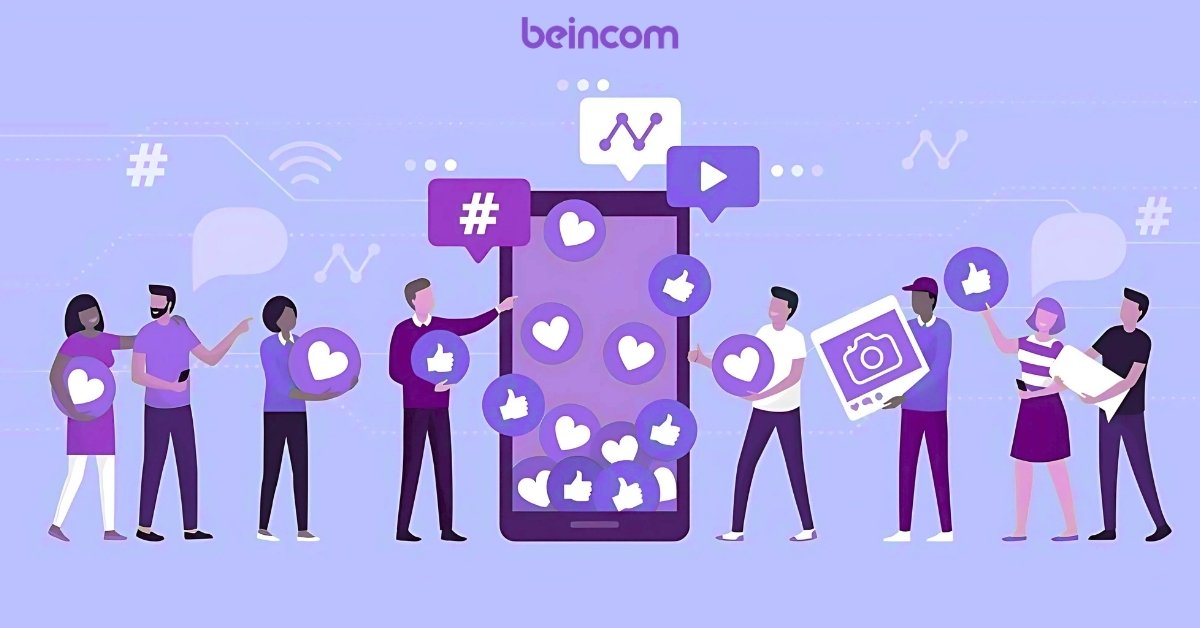
Tired of endless email threads and noisy group chats? It might be time to rethink how your team connects. Enterprise social networks (ESNs) bring the best of social media into your workplace — but with a focus on collaboration, communication, and knowledge sharing.
In this article, we’ll explore what ESNs are, how they differ from traditional social platforms, and why they’ve become essential for modern organizations plus some best practices to maximize the effectiveness of ESNs.
Let’s get started.
What Is an Enterprise Social Network?
If your workplace still relies on endless email threads, scattered chat apps, and siloed team updates, it’s time for an upgrade. That’s exactly where an Enterprise Social Network (ESN) steps in.
At its core, an ESN is like a private version of social media — but built just for your company. It’s a digital space where employees can post updates, share documents, comment on ideas, and keep track of what’s happening across departments, all in one place. Think: LinkedIn or Facebook, but locked down and focused entirely on work.
What makes it powerful isn’t just the social part — it’s the way it brings communication and collaboration into a single, streamlined experience. You’re not switching between many different tools just to get a status update or find a document. Everything — from quick chats to company-wide announcements — lives inside the same connected platform.
In short, an enterprise social network helps turn a group of individuals into a more aligned, informed, and collaborative team.

How Are Enterprise Social Networks Different from Social Media?
At first glance, enterprise social networks and regular social media platforms might seem similar. Both allow people to post updates, share content, react with emojis, and join conversations. But don’t get it twisted — they serve totally different purposes, especially when it comes to how and why people use them.
Here’s a breakdown of the key differences:
| Aspect | Enterprise Social Network (ESN) | Public Social Media |
| Audience | Internal teams, departments, or entire company | The general public or specific interest-based groups |
| Purpose | Streamline work communication, improve collaboration, share knowledge | Entertainment, personal updates, networking |
| Privacy & Security | Closed, company-controlled environments with strict access controls | Open platforms (or semi-open with limited privacy tools) |
| Content Type | Work-related updates, project threads, knowledge bases | Personal posts, viral content, brand promotion |
| Integration | Tied to internal tools (HR, project management, file sharing, etc.) | Standalone or externally focused tools |
| Moderation | Managed by internal admins or IT teams | Managed by platform moderators and algorithms |
In short: social media is where you post vacation pics. An enterprise social network is where you post progress updates, ask for feedback on a project, or check what leadership announced this week.
The vibe is different — one is for likes and laughs, the other is for productivity and alignment. Both have value, but only one is built to make your team stronger from the inside out.
Why Are Enterprise Social Networks Essential?
In today’s hybrid, fast-moving workplace, emails and scattered chat apps just don’t cut it anymore. People want more than just tasks and deadlines — they want connection, clarity, and collaboration. That’s exactly where enterprise social networks come in.
Here’s why they matter more than ever:
Centralize Communication
Instead of hopping between endless email chains and chat threads, ESNs provide one central hub for company-wide discussions, updates, and announcements. Everything’s in one place — searchable, accessible, and structured.
No more “lost in inbox” moments or duplicated efforts across departments.
Looking for more tips to improve your team communication? Check out: Enhance Your Business Communication Skills: The Key to Internal and External Success
Break Down Silos
Big or small, most companies suffer from siloed communication. ESNs help bridge the gaps between departments, teams, and leadership by opening up conversations across the org. That means fewer misunderstandings, more cross-functional work, and better outcomes.
Boost Engagement and Culture
An engaged team isn’t just more productive — it’s more loyal, creative, and collaborative. With built-in reactions, comment threads, recognition features, and even informal groups (think: “Pet Pics” or “Running Club”), ESNs bring a social, human layer to the workplace.
Community culture in your workplace matters more than ever. Discover more tips and insights at Building Community Culture: Why It Matters and How to Start
Enable Knowledge Sharing
Forget hunting down the “one person who knows how to do X.” With an ESN, best practices, documents, and team know-how can be shared openly and archived for future use, helping teams move faster and train smarter.
Learn more: Top 7 Best Knowledge Sharing Platforms
Support Transparency from the Top
ESNs give leadership a direct, authentic channel to share updates, goals, wins, and challenges. And when transparency flows from the top, trust grows across the board.
In short, a strong enterprise social network isn’t just a tool — it’s a foundation for modern work. It’s where culture lives, conversations happen, and ideas grow.

Key Features of an Enterprise Social Network
Not all enterprise social networks are created equal. The best ones combine functionality with user experience, helping teams stay aligned without feeling like they’re using “just another tool.” If you’re considering an ESN for your organization, here are the key features to look out for:
User-Friendly Interface
No one wants to spend days figuring out how to post an update or find a document. A clean, intuitive interface that mimics familiar social media experiences (but in a professional way) makes adoption easier across all departments.

Group & Channel Structure
Whether it’s by department, project, location, or interest group, a good ESN lets you organize communication into channels or sub-groups. This keeps conversations relevant and helps employees tune into what matters most to them.

New to Beincom? Learn more details at: What is Beincom? Everything You Need to Know
Real-Time and Asynchronous Communication
From quick chats and mentions to threaded conversations and long-form updates — people communicate in different ways. A strong ESN supports both instant messaging and thoughtful, ongoing discussion, all in one place.

Rich Content Sharing
It’s not just about text. Employees should be able to easily share images, videos, files, links, and even polls — whatever helps get the message across clearly and engagingly.
Searchable Knowledge Base
A robust search function and pinned posts help turn your ESN into a living repository of knowledge. It’s your go-to place for FAQs, onboarding resources, past discussions, or company policies.
Employee Recognition and Feedback Tools
Celebrating wins, shouting out great work, and gathering feedback in a public, visible way helps build a positive and open culture. Features like reactions, comments, or digital badges can make a big difference.
Privacy & Security Controls
Especially for larger organizations, it’s essential to control who can access what — whether it’s limiting access to executive-only groups or protecting sensitive project discussions.
Integration with Other Tools
Your ESN doesn’t have to replace everything — but it should play nicely with your existing tech stack. Look for integrations with project management tools, calendars, HR systems, and more.
These features help turn an enterprise social network from a nice-to-have into a central nervous system for your company’s communication and culture.

Best Practices to Maximize the Effectiveness of an Enterprise Social Network
Getting an enterprise social network (ESN) up and running is one thing — making it work for your organization is another. Like any platform, its real value comes from how people use it day-to-day. Here are some practical tips to help your team get the most out of your ESN:
Lead by Example
Adoption starts at the top. When managers and team leads actively use the ESN — sharing updates, celebrating wins, joining discussions — it sets the tone for everyone else. It shows the platform isn’t just another “tool” but a key part of how your company communicates.
Make Onboarding Easy
Don’t expect people to figure it out on their own. Provide a short onboarding guide, offer quick training sessions, and create a “Start Here” group where new members can get up to speed with how things work.
Create Clear Spaces for Different Types of Conversations
Structure matters. Set up channels or groups by team, topic, or function (e.g., #marketing, #product-updates, #random). This helps reduce noise and makes it easier to find what you’re looking for.
Encourage Participation, Not Just Consumption
It’s easy to turn an ESN into a broadcast channel — but the real value comes from interaction. Ask for feedback, tag people into relevant discussions, and encourage peer-to-peer recognition to build a more active and inclusive culture.
Recognize and Celebrate Contributions
When someone shares a helpful insight or asks a smart question, highlight it. Whether it’s a shoutout in a company-wide channel or a small reward, recognition helps reinforce positive behavior and keeps engagement high.
Use It as a Living Knowledge Base
Pin important discussions, use threads to organize info, and turn valuable conversations into documents or FAQs. This turns your ESN into a go-to resource, not just a chat room.
Want to streamline your team’s knowledge sharing? Start building your knowledge base today in 7 easy steps (+ tips)
Check the Pulse Regularly
Run short polls, invite open-ended feedback, and review engagement data. This helps you understand what’s working, where people are active, and where you might need to step in and guide things.
With the right approach, an enterprise social network doesn’t just connect people — it shapes how your organization communicates, collaborates, and builds culture.
And if you’re looking for a platform that already aligns with these best practices, keep reading.
Introducing Beincom – A Modern Social Network Built for the Enterprise
If you’re searching for an enterprise social network that’s not just another “internal tool,” but something your team will actually enjoy using, it’s time to check out Beincom.
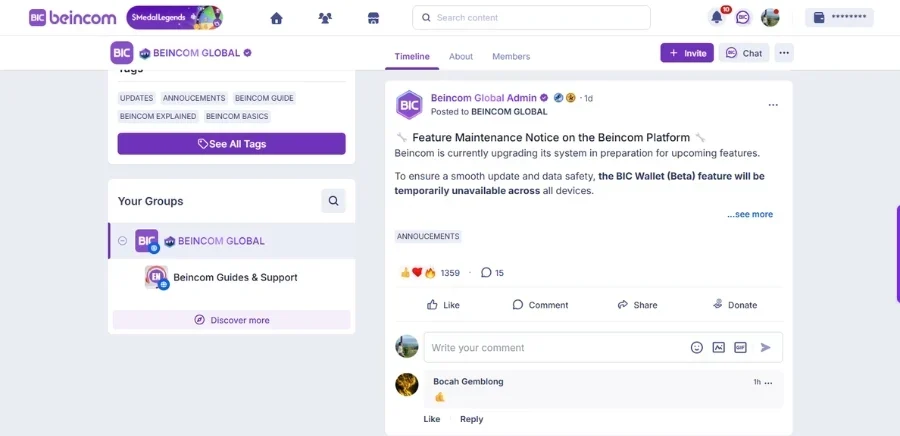
Beincom reimagines what internal communication should feel like — combining the best of social media familiarity with the structure and control companies need. Think of it as your team’s digital headquarters: a place where conversations are focused, updates are transparent, and collaboration flows without the clutter.
Here’s what makes Beincom stand out:
- Inner Circle Structure (ICS): Whether you’re managing departments, project teams, or communities, Beincom lets you create sub-groups with defined layers of access — so the right people always see the right information.
- Threaded Conversations: No more message overload. Conversations are neatly organized into threads, helping everyone follow discussions without missing important points.
- Flexible Content Sharing: From short updates to in-depth articles and series posts, teams can share information in ways that match their style and context.
- Web3 Integration: With built-in blockchain features, Beincom offers added transparency and data security — ideal for future-facing organizations.
Whether you’re a growing company or a large enterprise navigating complex communication needs, Beincom brings the tools to build a connected, engaged, and secure digital workplace.
Ready to see how Beincom can transform your internal communications?
FAQs About Enterprise Social Networks
1. Are enterprise social networks secure for sensitive company communication?
Yes. Most enterprise social platforms are built with enterprise-grade security, including data encryption, user authentication, and admin controls. Platforms like Beincom even go further by integrating blockchain technology for enhanced transparency and data protection.
2. Can small businesses benefit from enterprise social media platforms?
Absolutely. While they’re often associated with large enterprises, these tools can help small teams improve communication, build a strong internal culture, and centralize collaboration—all critical for scaling effectively.
3. How does an enterprise social network integrate with other workplace tools?
Leading platforms offer integrations with tools like Google Workspace, Microsoft 365, Slack, Zoom, and project management systems. Some, like Beincom, focus on simplifying internal systems by merging communication, content sharing, and community building into one platform.
4. What’s the difference between enterprise social networks and tools like Slack or Teams?
While Slack and Teams are great for chat and collaboration, enterprise social networks go beyond by offering social features—like feeds, content publishing, and community-style engagement—that foster culture, knowledge sharing, and long-term alignment.
5. How can we encourage employees to adopt a corporate social network?
Success comes from leadership support, regular engagement, user-friendly onboarding, and platforms that offer intuitive, value-driven features. Choosing a solution like Beincom that feels familiar and easy to use—while still being powerful—can make a big difference.
Beincom


